

Choosing Your Fintech Software Development Partner: A Comprehensive Guide
So, you’ve got this brilliant idea for a fintech product or Fintech Software Development – maybe a revolutionary payment gateway, a game-changing investment platform, or a super-smart budgeting app. That’s fantastic! But turning that vision into a reality, especially in the complex and highly regulated world of financial technology, requires more than just a good idea and a handful of developers. It demands the right partner. Picking a fintech software development company is a bit like choosing a co-pilot for a high-stakes flight. You need someone you can trust implicitly, someone with the right skills, and someone who understands the turbulence and the clear skies ahead. Get it wrong, and your project could be heading for a crash. Get it right, and you’re on your way to soaring success.
Why the Right Fintech Partner Matters
Let’s be frank, the fintech space isn’t for the faint of heart. It’s a dynamic, fast-paced arena where innovation meets stringent regulations, and customer trust is paramount. This isn’t just about building another app; it’s about handling people’s money, their financial futures. That’s a pretty big deal, right?
The High Stakes of Financial Technology Development
Think about it. A single bug in a payment processing system could lead to significant financial losses for users and severe reputational damage for your company. A security breach? That’s a potential disaster that could involve hefty fines, legal battles, and a complete erosion of customer confidence. This is why the stakes are so incredibly high in fintech. Your software isn’t just code; it’s the bedrock of financial transactions and sensitive data.
Beyond Just Coding: The Need for Specialized Expertise
While a general software development company might be able to build a decent app, they likely won’t have the nuanced understanding of the financial industry that a specialized fintech company possesses. They know the regulatory frameworks like the back of their hand, they understand the intricate workflows of financial institutions, and they’re attuned to the specific security challenges that come with handling financial data. It’s like asking a general practitioner to perform brain surgery – they might have some medical knowledge, but you want a neurosurgeon, right?
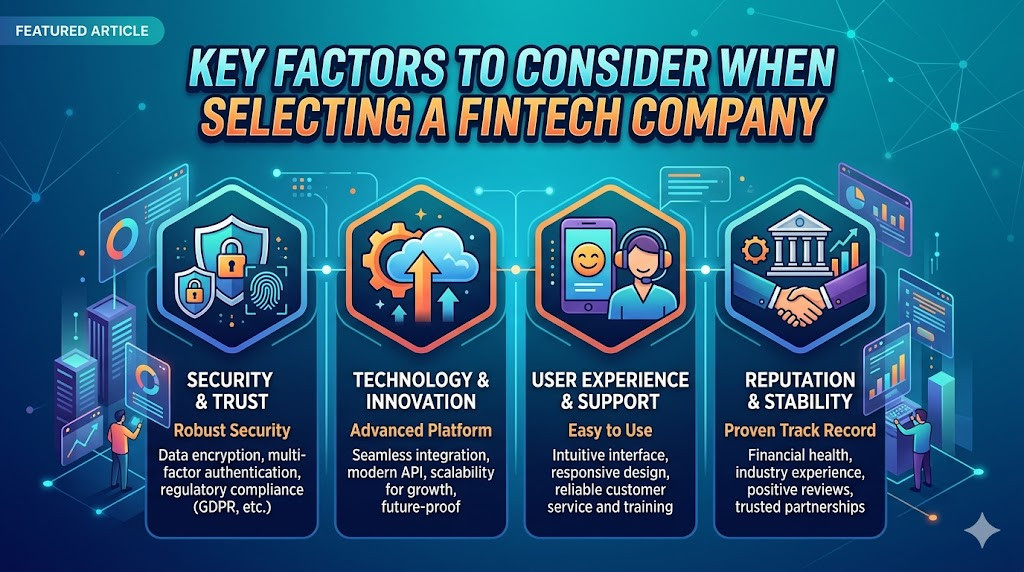
Key Factors to Consider When Selecting a Fintech Company
So, how do you find that perfect fintech co-pilot? It’s a process, and it requires careful consideration. Don’t just jump at the first company that claims they can do fintech. Dig a little deeper.
1. Deep Domain Expertise in Fintech
This is non-negotiable. The company you choose must understand the fintech landscape inside and out. This isn’t just a buzzword; it’s about practical, hands-on knowledge.
Understanding Regulatory Landscapes (e.g., GDPR, PCI DSS)
Do they know the ins and outs of GDPR (General Data Protection Regulation) if you’re operating in Europe? Are they familiar with PCI DSS (Payment Card Industry Data Security Standard) if you’re dealing with card payments? Understanding and adhering to these regulations isn’t just a legal requirement; it’s a fundamental aspect of building trust and ensuring the longevity of your product. A good fintech company will proactively guide you through these complexities.
Familiarity with Financial Workflows and Processes
Imagine building a new trading platform without understanding how traders actually operate, or developing a lending app without grasping the credit assessment process. It sounds absurd, doesn’t it? A competent fintech development company will have experience with various financial workflows, from customer onboarding and transaction processing to risk management and compliance reporting. They can anticipate potential bottlenecks and design solutions that are both efficient and user-friendly.
2. Proven Track Record and Case Studies
Talk is cheap, as they say. What you really want to see is evidence. Has this company successfully delivered similar projects before?
Examples of Successful Fintech Projects
Ask for specific examples of fintech projects they’ve worked on. What kind of companies were their clients? What challenges did they help them overcome? Were these projects innovative? Did they achieve tangible business outcomes? A strong portfolio speaks volumes about their capabilities and their ability to deliver results in the fintech realm.
Client Testimonials and Reviews
Beyond formal case studies, what are their past clients saying? Look for testimonials on their website, check industry review platforms, and don’t hesitate to ask for references. Hearing directly from businesses they’ve partnered with can provide invaluable insights into their communication style, reliability, and overall client satisfaction.
3. Technological Prowess and Innovation
The fintech world is constantly evolving, driven by technological advancements. Your partner needs to be at the forefront of this wave.
Proficiency in Relevant Technologies (AI, Blockchain, Cloud)
Are they skilled in the technologies that are shaping the future of finance? Think Artificial Intelligence (AI) for fraud detection and personalized financial advice, Blockchain for secure and transparent transactions, and Cloud computing for scalable and robust infrastructure. A forward-thinking company will not only be proficient in these areas but will also be able to advise you on how best to leverage them for your specific product.
Agile Development Methodologies
The ability to adapt quickly is crucial in fintech. Agile methodologies, like Scrum or Kanban, allow for flexibility, iterative development, and continuous feedback. This means your product can evolve based on market changes and user feedback, rather than being locked into a rigid, outdated plan. Your development partner should be a master of agile principles.
4. Security and Compliance Focus
In fintech, security isn’t an afterthought; it’s woven into the very fabric of development. This is where trust is built and maintained.
Robust Data Protection Measures
How do they handle sensitive customer data? Do they employ encryption, secure coding practices, and regular security audits? A company that prioritizes data protection from the outset is a company that understands the gravity of their responsibility.
Adherence to Industry Standards
Beyond specific regulations, do they follow best practices for secure software development? This includes things like secure coding standards, vulnerability testing, and secure deployment procedures. Compliance isn’t just about ticking boxes; it’s about building a secure and reliable system.
5. Communication and Collaboration
Even the most technically brilliant company will struggle if they can’t communicate effectively. You need a partner, not just a vendor.
Transparency in Project Management
Can you easily see the progress of your project? Do they provide regular updates and clear reports? Transparency builds trust and ensures everyone is on the same page. Tools like Jira, Trello, or Asana are often used, but it’s the way they use them that matters.
Responsive and Clear Communication Channels
When you have a question or a concern, how quickly do you get a response? Are their communications clear, concise, and easy to understand? Effective communication prevents misunderstandings and keeps the project moving smoothly. Imagine trying to coordinate a complex operation with someone who rarely answers their radio – it’s not going to end well.
6. Scalability and Future-Proofing
Your fintech product needs to grow with your business. A good development company will build solutions that can scale seamlessly as your user base expands and your offerings evolve. They’ll also think about future trends and ensure your architecture is adaptable, so you’re not left behind by the next big innovation.
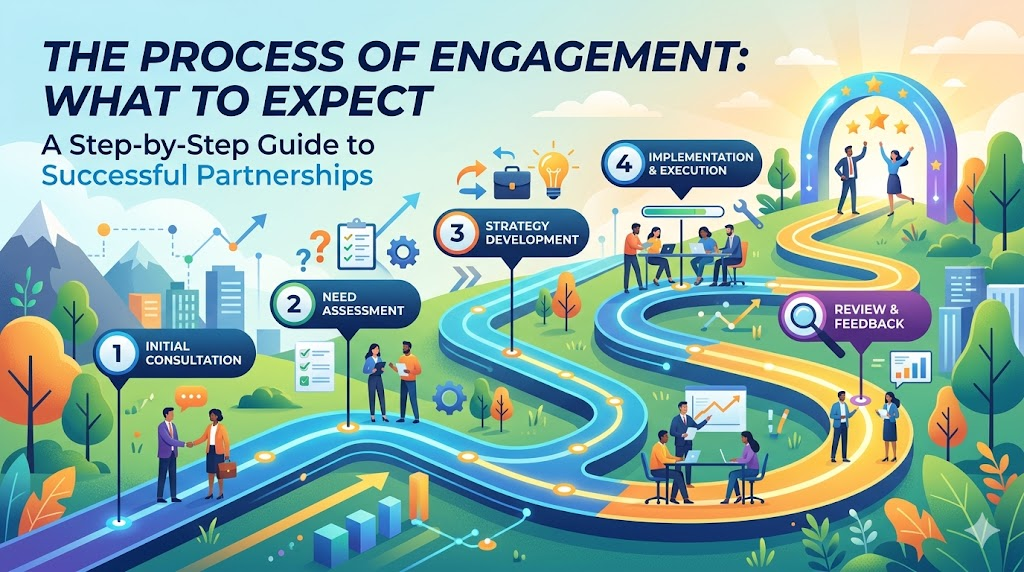
The Process of Engagement: What to Expect
Once you’ve identified a few potential candidates, understanding their engagement process can help you gauge their professionalism and approach.
Initial Consultation and Discovery
This is where they get to know you, your vision, and your business goals. A good company will ask a lot of questions, listen intently, and start to understand the nuances of your project.
Proposal and Scoping
Following the discovery phase, you should receive a detailed proposal. This should outline the project scope, deliverables, timelines, technologies to be used, and a clear breakdown of costs. Be wary of vague proposals; everything should be clearly defined.
Development and Testing Phases
This is where the magic happens. Agile methodologies usually mean iterative development cycles, with regular demonstrations and opportunities for you to provide feedback. Rigorous testing, including functional, performance, and security testing, is crucial throughout this phase.
Deployment and Post-Launch Support
Launching is just the beginning. A great partner will ensure a smooth deployment and offer ongoing support and maintenance to keep your platform running optimally and securely. This could include bug fixes, updates, and further enhancements.
Red Flags to Watch Out For
Just as important as knowing what to look for is knowing what to avoid. Here are some warning signs that should make you think twice:
Lack of Clear Communication
If they’re difficult to get a hold of, their responses are slow, or they don’t explain things clearly from the outset, this is a major red flag.
Vague Proposals or Pricing
A lack of detail in their proposals, especially regarding costs, timelines, and deliverables, can indicate a lack of professionalism or an attempt to hide something.
Absence of Case Studies or References
If they can’t show you examples of past work or provide references from satisfied clients, it’s a sign they might not have the experience they claim.
Conclusion: Building a Successful Fintech Future Together
Choosing the right fintech software development company is a critical decision that can make or break your venture. It’s about finding a partner who not only possesses the technical acumen but also understands the unique challenges and opportunities within the financial technology sector. By focusing on domain expertise, a proven track record, technological innovation, security, and clear communication, you can identify a company that will be instrumental in bringing your fintech vision to life. Remember, this is an investment in your future. Choose wisely, and you’ll be well on your way to success in the exciting world of fintech.
Frequently Asked Questions (FAQs)
1. How much does it typically cost to hire a fintech software development company?
The cost can vary significantly based on the complexity of your project, the company’s location and expertise, and the technologies involved. It’s essential to get detailed proposals after a thorough discovery phase. Expect costs to range from tens of thousands to millions of dollars for complex enterprise solutions.
2. What is the average timeline for developing a fintech product?
Again, this depends heavily on the scope. A simple mobile app might take a few months, while a sophisticated trading platform or a comprehensive banking system could take anywhere from 6 months to over a year, or even longer. Agile development breaks this down into manageable sprints.
3. Should I look for a company with experience in my specific niche (e.g., Insurtech, Regtech, Blockchain)?
Absolutely! While general fintech experience is good, specialized knowledge in your specific niche (like Insurtech for insurance technology, Regtech for regulatory technology, or deep expertise in Blockchain for decentralized finance) will be invaluable. They’ll understand the unique challenges, regulations, and market dynamics.
4. What are the most important security considerations for a fintech application?
Key considerations include end-to-end encryption, secure authentication methods (like multi-factor authentication), robust data protection and privacy compliance (e.g., GDPR, CCPA), regular security audits and penetration testing, and secure coding practices. Compliance with standards like PCI DSS is also critical for payment processing.
5. How do I ensure effective communication with an offshore fintech development team?
Establish clear communication protocols from the start. Utilize project management tools, schedule regular video calls, maintain transparency through shared documentation, define escalation paths, and ensure a dedicated point of contact on both sides. Cultural awareness and time zone management are also crucial.
Pingback: The Impact of AI and Machine Learning on Fintech Software Development