
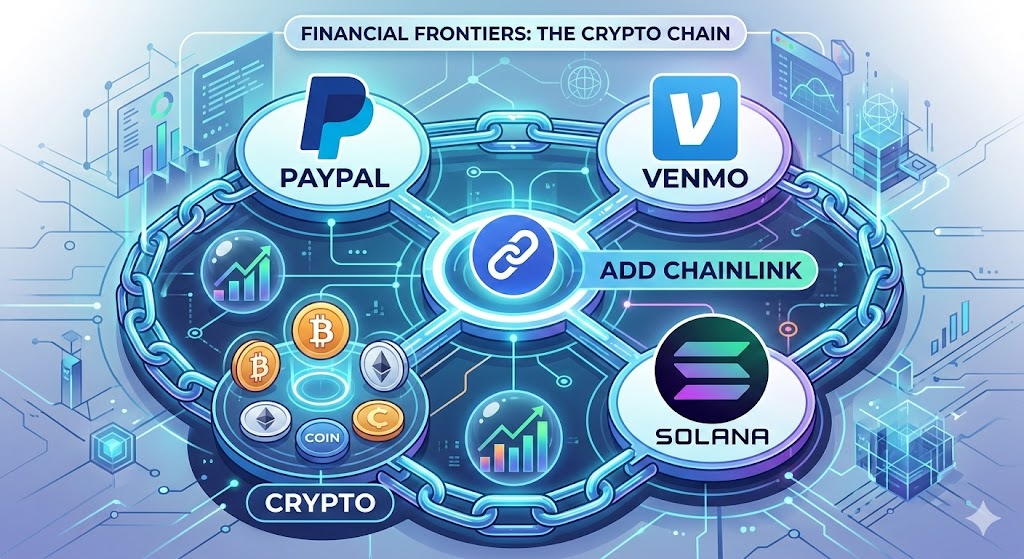
Unlock the Future: Integrating Chainlink and Solana with PayPal & Venmo for Effortless Crypto
Hey there, crypto enthusiasts and digital wallet warriors! Ever found yourself staring at your PayPal or Venmo balance, wishing you could seamlessly send or receive a bit of Chainlink (LINK) or Solana (SOL)? You’re definitely not alone. In this rapidly evolving digital finance landscape, the desire to bridge the gap between traditional payment platforms and the exciting world of decentralized assets is stronger than ever. We’re talking about making your crypto transactions as easy as sending money to a friend for pizza.
But here’s the million-dollar question: can you actually add LINK and SOL directly to your PayPal or Venmo account like you would a bank card? Buckle up, because we’re diving deep into the nitty-gritty, exploring the current reality, and uncovering the most effective strategies to make this happen, paving the way for truly seamless crypto transactions.
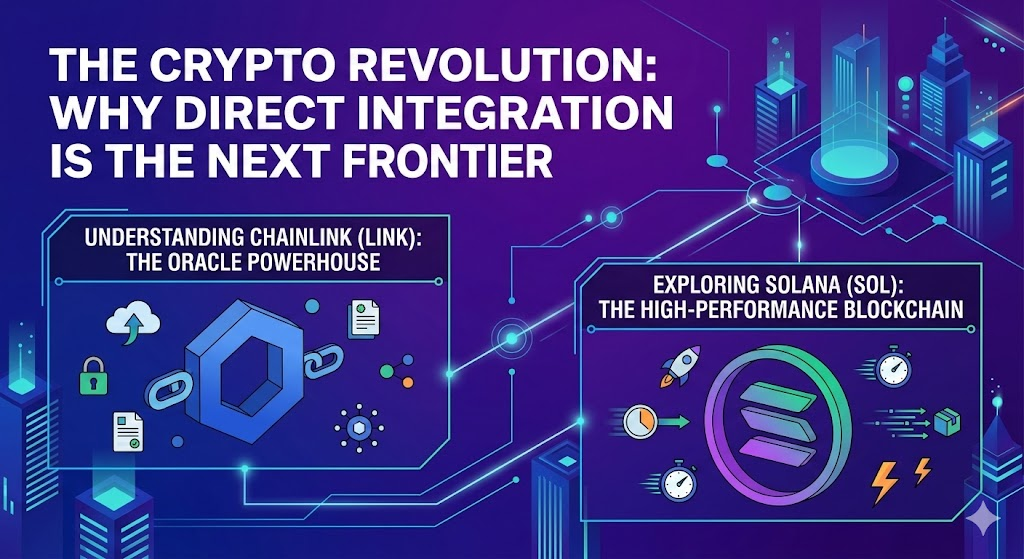
The Crypto Revolution: Why Direct Integration is the Next Frontier
Let’s face it, the world of cryptocurrency has exploded from a niche interest into a global phenomenon. It’s no longer just about Bitcoin or Ethereum; a whole ecosystem of innovative projects is changing how we think about finance. And at the heart of this revolution are powerful networks like Chainlink and Solana, each bringing unique strengths to the table. The next logical step? Making these assets accessible through the user-friendly interfaces many of us already use daily, like PayPal and Venmo. Imagine a world where managing your digital assets and fiat currency is just a few taps away. That’s the dream, right?
Understanding Chainlink (LINK): The Oracle Powerhouse
So, what exactly is Chainlink? Think of it as the crucial bridge connecting smart contracts on blockchains to real-world data. Without Chainlink’s decentralized oracle network, smart contracts would be stuck in their own isolated digital bubble, unable to access the vast information needed to execute agreements based on external events – like market prices, weather conditions, or flight statuses. LINK is the native token used to pay node operators for providing these vital data feeds. It’s the grease that keeps the gears of the decentralized internet turning smoothly. Its importance lies in enabling smart contracts to interact with the outside world, making them truly practical for a myriad of applications.
Exploring Solana (SOL): The High-Performance Blockchain
On the other side of the coin, we have Solana. If Chainlink is about reliable data, Solana is about speed and scalability. Solana is a high-performance blockchain designed to support decentralized applications (dApps) and crypto projects that demand lightning-fast transaction speeds and low costs. It achieves this through a unique combination of technological innovations, including Proof of History (PoH) and Tower BFT. SOL is its native cryptocurrency, used for transaction fees, staking, and participating in network governance. Think of Solana as a superhighway for blockchain transactions – incredibly fast and capable of handling massive traffic.
The PayPal & Venmo Conundrum: Current Crypto Capabilities and Limitations
Now, let’s talk about our beloved payment giants: PayPal and Venmo. They’ve revolutionized how we send money, making digital payments incredibly accessible. But when it comes to crypto, their approach has been… cautious, shall we say? They’ve dipped their toes in the water, but not quite dived headfirst into supporting every token imaginable.
What You Can Do: PayPal’s Crypto Features
PayPal has made strides, allowing users in select regions to buy, hold, and sell a limited selection of cryptocurrencies directly within their PayPal accounts. This includes major players like Bitcoin, Ethereum, Bitcoin Cash, and Litecoin. The allure here is the sheer convenience – using your existing PayPal balance or linked bank account to acquire these digital assets without needing a separate exchange account for those specific coins. It’s a gateway, but a somewhat restricted one.
Venmo’s Crypto Landscape: Similarities and Differences
Venmo, being a subsidiary of PayPal, shares a similar crypto philosophy, albeit with its own unique spin. Venmo also allows users to buy, hold, and sell a curated list of cryptocurrencies. The experience is designed to be familiar and user-friendly, mirroring the app’s core function of peer-to-peer payments. However, just like PayPal, the selection of supported cryptocurrencies is limited. This is where the desire to integrate newer, more dynamic assets like Chainlink and Solana really comes into play.
Why Chainlink and Solana Aren’t Directly “Addable” (Yet!)
So, why can’t you just hit “Add New Crypto” and type in “Chainlink” or “Solana”? The primary reason boils down to regulatory compliance, technical integration complexity, and the sheer number of cryptocurrencies available. PayPal and Venmo need to ensure they meet stringent legal requirements for every digital asset they support. Integrating a new token involves significant due diligence, technical development to ensure secure custody and transaction processing, and ongoing monitoring. Currently, LINK and SOL, despite their growing prominence, haven’t made the cut for direct integration into these platforms. It’s like trying to get a new, exotic fruit into a supermarket that only stocks the most popular produce – it takes time and a lot of behind-the-scenes work.
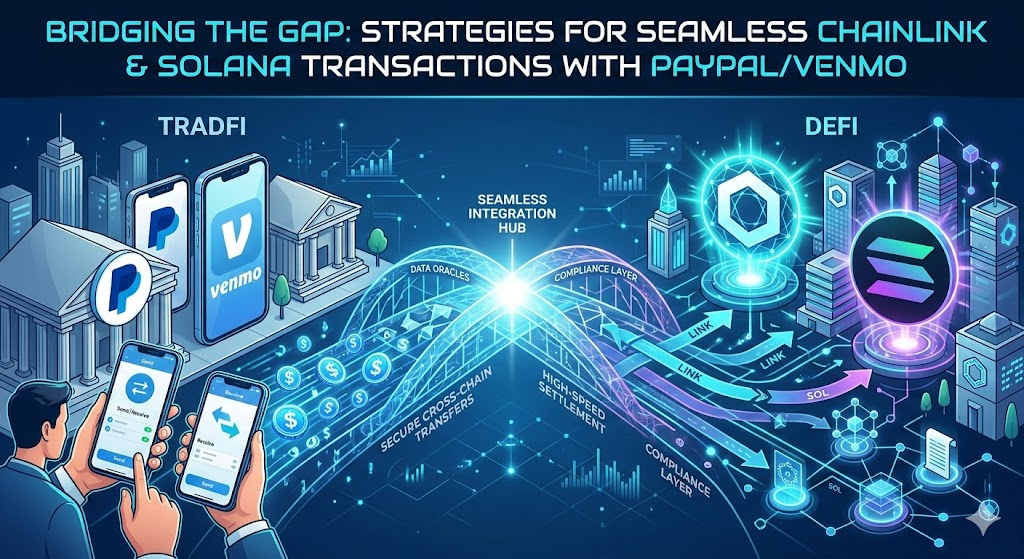
Bridging the Gap: Strategies for Seamless Chainlink & Solana Transactions with PayPal/Venmo
Alright, so direct integration isn’t on the cards right now. Does that mean you’re out of luck? Absolutely not! We’re talking about creative solutions and smart workarounds. The crypto world is all about innovation, and bridging traditional finance with decentralized assets is no different. Here are the most effective strategies to get your LINK and SOL into play with your PayPal or Venmo accounts.
Method 1: The Crypto Exchange Gateway
This is, by far, the most common and robust method. Think of a cryptocurrency exchange as a bustling marketplace where you can trade virtually any digital asset. You’ll use these platforms to acquire your LINK and SOL, and then strategically link them to your PayPal or Venmo for broader financial maneuvers.
Step-by-Step: Using a Third-Party Exchange (e.g., Coinbase, Binance)
- Choose a Reputable Exchange: Select a well-known exchange like Coinbase, Binance, Kraken, or KuCoin. Look for platforms with strong security measures, reasonable fees, and a wide selection of cryptocurrencies.
- Create and Verify Your Account: Sign up and complete the Know Your Customer (KYC) verification process. This usually involves submitting identification documents. It’s a necessary step for security and regulatory compliance.
- Fund Your Exchange Account: Deposit fiat currency (like USD, EUR) into your exchange account. You can typically do this via bank transfer (ACH), wire transfer, or sometimes even using a debit/credit card (though fees can be higher).
- Purchase Chainlink (LINK) and Solana (SOL): Once your account is funded, navigate to the trading section, search for LINK and SOL, and place your buy orders. Voilà! You now own the digital assets.
- Secure Your Assets (Optional but Recommended): For larger holdings, consider transferring your LINK and SOL from the exchange to a personal crypto wallet (like a Ledger or MetaMask) for enhanced security. However, for the purpose of connecting with PayPal/Venmo, keeping them on the exchange might be a necessary intermediate step.
Linking Your Exchange to PayPal/Venmo: A Practical Guide
Okay, you’ve got your LINK and SOL on an exchange. Now, how does PayPal or Venmo fit in? The key is realizing that PayPal and Venmo primarily interact with fiat currency or their own supported cryptocurrencies. So, you can’t directly “add” LINK or SOL to your PayPal wallet. Instead, you’ll leverage your exchange account to facilitate transactions.
- Selling Crypto for Fiat: When you need funds in your PayPal or Venmo account, you’ll sell your LINK or SOL on the exchange, converting them back into your local currency (e.g., USD).
- Withdrawing Fiat to Your Bank: Once you have USD in your exchange account, you can withdraw it to your linked bank account.
- Funding PayPal/Venmo: Finally, you can transfer the funds from your bank account to your PayPal or Venmo account, or use your linked bank card/account to fund transactions.
Essentially, the exchange acts as the intermediary. You acquire LINK/SOL on the exchange, and when you need to use the equivalent value via PayPal/Venmo, you sell on the exchange and move the fiat currency. It’s like using a currency exchange booth at the airport before you can buy souvenirs – a necessary step for conversion.
Method 2: P2P Transactions and Digital Wallets
This method offers a more decentralized approach, often appealing to those who value greater control over their assets.
Leveraging Decentralized Wallets for LINK and SOL
While not directly integrating with PayPal/Venmo, a dedicated crypto wallet (like MetaMask for Ethereum-compatible tokens, or Phantom for Solana-based assets) is crucial. You can hold your LINK and SOL here. These wallets give you full control over your private keys, offering a higher level of security than keeping assets on an exchange.
Facilitating Peer-to-Peer Transfers via PayPal/Venmo
This is where things get creative. If you need to send someone LINK or SOL, but they prefer receiving funds via PayPal or Venmo, you can arrange a peer-to-peer (P2P) transaction:
- Agree on Terms: You and the recipient agree on the amount of LINK/SOL you’ll send and the equivalent fiat amount you’ll send via PayPal/Venmo.
- Send Fiat First: You send the agreed fiat amount (e.g., USD) to the recipient’s PayPal or Venmo account.
- Recipient Confirms Receipt: The recipient confirms they have received the fiat funds.
- Send Crypto: You then send the agreed amount of LINK or SOL from your wallet (or exchange) to the recipient’s crypto wallet address.
This method requires a high degree of trust, as you’re essentially performing the transaction in two separate systems. Always ensure you receive fiat confirmation before sending the crypto. Some P2P crypto marketplaces also offer escrow services, which can add a layer of security.
Maximizing Your Crypto Experience: Tips for Security and Efficiency
Navigating the world of crypto and digital payments can sometimes feel like walking a tightrope. Here are some golden rules to keep things smooth, secure, and cost-effective.
Essential Security Practices for Crypto Transfers
- Two-Factor Authentication (2FA): Enable 2FA on everything – your exchanges, your email, your PayPal, your Venmo. This is your first line of defense against unauthorized access.
- Beware of Phishing: Never click on suspicious links or share your private keys or login credentials. Scammers are always looking for an opportunity. Double-check URLs and sender information.
- Use Strong, Unique Passwords: Avoid reusing passwords across different platforms. A password manager can be your best friend here.
- Verify Wallet Addresses: When sending crypto, triple-check the recipient’s wallet address. A single incorrect character can send your funds to the void forever. Copy-paste carefully!
- Start Small: If you’re new to a process, test it with a small amount first to ensure everything works as expected before committing larger sums.
Navigating Fees and Transaction Times
- Exchange Fees: Be aware of the trading fees, deposit fees, and withdrawal fees on crypto exchanges. These can add up!
- Network Fees (Gas): Transactions on blockchains like Solana and Ethereum (where LINK operates) incur network fees. These vary based on network congestion. Solana’s fees are famously low, while Ethereum’s can fluctuate significantly.
- PayPal/Venmo Fees: These platforms also have their own transaction fees, especially for certain types of transfers or currency conversions.
- Transaction Speeds: Solana is known for near-instantaneous transactions. Chainlink (on Ethereum) can be slower, especially during peak times. Fiat transfers to PayPal/Venmo can also take time depending on the method used (e.g., bank transfer vs. instant transfer). Understanding these timelines helps manage expectations.
The Future Outlook: Will Direct Integration Ever Happen?
The crypto landscape is constantly shifting. While direct integration of Chainlink and Solana into PayPal and Venmo isn’t a reality today, never say never!
Potential Partnerships and Technological Advancements
As blockchain technology matures and regulatory frameworks become clearer, it’s plausible that platforms like PayPal and Venmo will expand their crypto offerings. They are constantly evaluating market trends and user demand. Furthermore, advancements in layer-2 scaling solutions and cross-chain interoperability technologies could make integrating a wider variety of assets more feasible and secure in the future. Imagine if PayPal could directly interact with a Solana dApp – the possibilities are immense!
What This Means for the Everyday Crypto User
If direct integration becomes a reality, it would dramatically simplify crypto management for millions. It would lower the barrier to entry for new users and make managing a diverse digital asset portfolio as easy as checking your bank balance. Until then, the hybrid approach – using exchanges as the bridge – remains the most practical solution. It requires a bit more effort, but it’s certainly achievable.
Conclusion: Embracing the Hybrid Approach for Today’s Crypto Needs
While we eagerly await a future where Chainlink and Solana might be as easily integrated into PayPal and Venmo as a credit card, the current reality demands a slightly more hands-on approach. By understanding the role of reputable crypto exchanges as intermediaries and employing smart P2P strategies, you can effectively bridge the gap. Secure your assets, be mindful of fees, and always prioritize safety. The journey into seamless crypto transactions is ongoing, and by mastering these methods, you’re well-equipped to navigate it with confidence and efficiency. The future is hybrid, and it’s already here!
Frequently Asked Questions (FAQs)
- Can I directly send Chainlink (LINK) or Solana (SOL) from my PayPal or Venmo account?
No, not directly. PayPal and Venmo currently only support a limited list of cryptocurrencies for direct buying and selling within their apps. LINK and SOL are not among them. You’ll need to use a third-party crypto exchange as an intermediary. - What’s the easiest way to convert my Chainlink or Solana to use with PayPal/Venmo?
The most common method is to sell your LINK or SOL on a cryptocurrency exchange (like Coinbase or Binance) for fiat currency (e.g., USD). You can then withdraw this fiat currency to your linked bank account and subsequently transfer it to your PayPal or Venmo account. - Are there any risks involved in using a third-party exchange to move funds between crypto and PayPal/Venmo?
Yes, there are risks associated with any financial transaction. These include exchange hacks, regulatory changes, volatility of crypto prices, and potential delays in transfers. It’s crucial to use reputable exchanges, enable strong security measures (like 2FA), and be aware of the fluctuating market conditions. - How long does it take to convert SOL or LINK and get the money into my PayPal or Venmo?
The timeframe can vary significantly. Selling SOL or LINK on an exchange is usually quick. However, withdrawing fiat from the exchange to your bank account can take 1-5 business days, depending on the exchange and your bank. Transferring funds from your bank to PayPal or Venmo can range from instant to a few business days. Solana transactions themselves are very fast, but Chainlink (on Ethereum) can be slower depending on network congestion. - Could PayPal or Venmo add support for Chainlink and Solana in the future?
It’s certainly possible! As the cryptocurrency market evolves and regulatory landscapes become clearer, major financial platforms often expand their offerings. User demand and the growing importance of assets like LINK and SOL could encourage PayPal and Venmo to integrate them directly in the future, but there’s no official timeline for this.
Pingback: How to Leverage the Shiba Inu Chainlink Partnership ?
Pingback: Cardano Price Predictions Navigating the Landscape of Cryptocurrency Investment
Pingback: How to Choose the Right Fintech Software Development Company ?
Pingback: The Impact of AI and Machine Learning on Fintech Software Development
Pingback: How to Accept Online Payments Without a Website ?