
what is ziptie ai search analytics ?
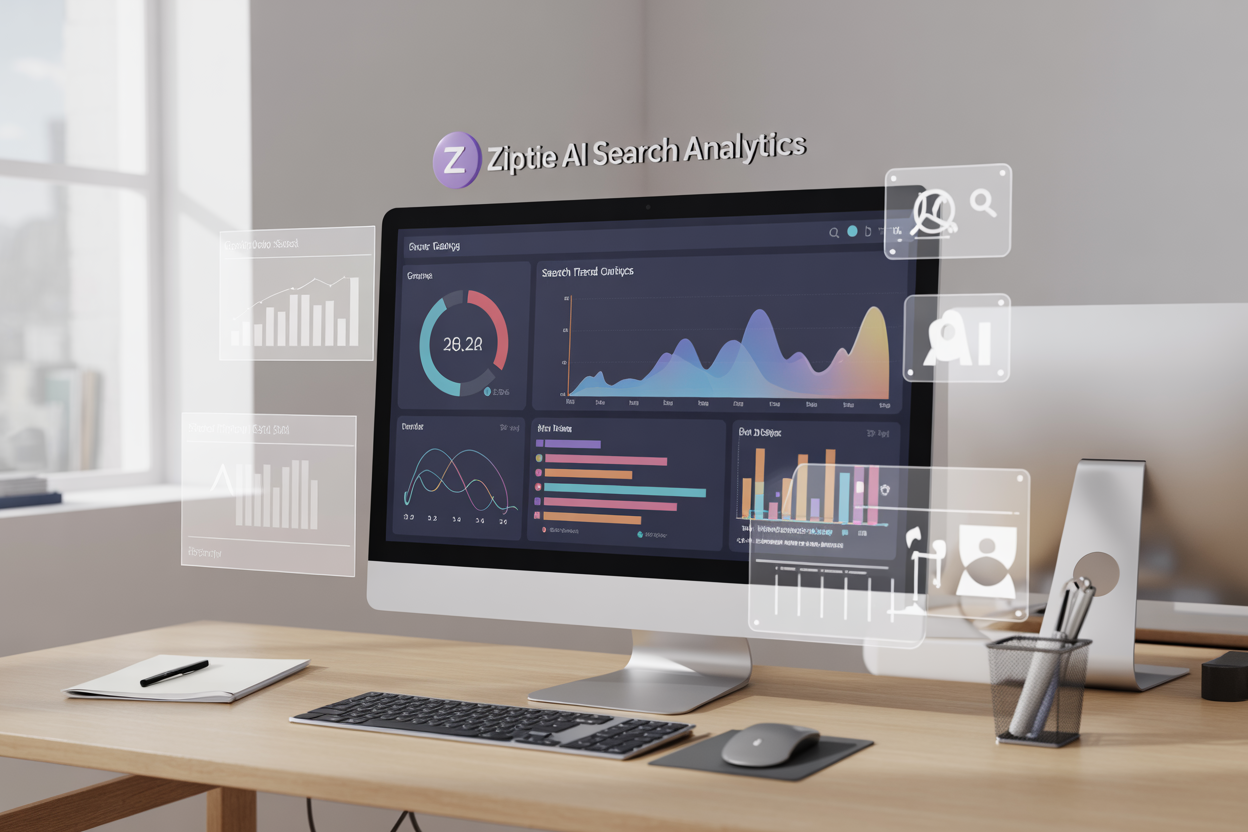
What is Ziptie AI Search Analytics? Your Complete Guide to Smart Search Intelligence
Ziptie AI search analytics is a powerful platform that transforms how businesses understand and optimize their search experiences. This comprehensive tool helps companies track user behavior, analyze search patterns, and improve search results using artificial intelligence.
This guide is designed for business owners, marketing teams, and data analysts who want to make smarter decisions about their search functionality. You’ll discover how Ziptie AI can boost your search performance and drive better user engagement.
We’ll walk you through the platform’s core features and explain how its advanced search intelligence works. You’ll also learn about the key benefits of implementing this analytics solution and get practical steps for getting started with your first Ziptie AI setup.
Understanding Ziptie AI Search Analytics Platform

Core functionality and purpose of the tool
Ziptie AI Search Analytics transforms how organizations understand and optimize their search experiences. This intelligent platform analyzes search behavior patterns, query performance, and user interactions to deliver actionable insights that drive better search outcomes. The tool monitors search queries in real-time, tracking everything from popular search terms to abandoned searches, giving businesses a complete picture of how users interact with their search functionality.
At its heart, Ziptie AI processes vast amounts of search data to identify trends, gaps, and opportunities for improvement. The platform captures detailed metrics on search success rates, click-through patterns, and conversion paths, then applies machine learning algorithms to surface meaningful patterns. This allows teams to spot issues like poor result relevancy, missing content, or confusing navigation paths that might otherwise go unnoticed.
The tool excels at connecting search behavior to business outcomes. By tracking the entire user journey from initial query to final conversion, Ziptie AI helps organizations understand which searches lead to sales, subscriptions, or other valuable actions. This connection between search performance and business metrics makes it easier to justify search optimization investments and measure their impact.
Key differentiators from traditional analytics solutions
Traditional analytics tools often treat search as just another traffic source, missing the unique characteristics that make search behavior so valuable. Ziptie AI takes a search-first approach, recognizing that search queries reveal user intent in ways that page views and session data simply can’t match.
While conventional platforms focus on aggregate metrics, Ziptie AI dives deep into individual query analysis. The system examines each search term’s performance, identifies semantic relationships between queries, and tracks how search patterns evolve over time. This granular approach reveals opportunities that broader analytics tools typically miss.
| Feature | Traditional Analytics | Ziptie AI Search Analytics |
|---|---|---|
| Search Query Analysis | Basic keyword tracking | Deep semantic understanding |
| Intent Recognition | Limited behavioral signals | AI-powered intent classification |
| Real-time Insights | Delayed reporting | Instant search performance updates |
| Optimization Recommendations | Generic suggestions | Context-aware, search-specific guidance |
| Cross-platform Tracking | Siloed data sources | Unified search experience view |
The AI component sets Ziptie apart from static reporting tools. Machine learning models continuously analyze search patterns to predict user needs, recommend content improvements, and automatically flag performance anomalies. This proactive approach helps teams stay ahead of search experience issues rather than simply reacting to problems after they impact users.
Target audience and use cases
E-commerce businesses represent a primary audience for Ziptie AI Search Analytics. Online retailers need to understand exactly what customers are searching for, why certain queries fail to produce sales, and how search experience affects conversion rates. The platform helps these businesses optimize product discovery, reduce cart abandonment, and increase average order values through better search experiences.
Content publishers and media companies also benefit significantly from Ziptie’s capabilities. These organizations rely on search to help users find relevant articles, videos, or resources within vast content libraries. The platform helps identify content gaps, optimize article titles and tags, and improve internal search functionality to keep users engaged longer.
SaaS platforms with complex product catalogs or knowledge bases find Ziptie particularly valuable. The tool helps these companies understand how customers search for features, documentation, or support resources. This insight drives better product optimization , more intuitive navigation, and reduced support ticket volumes.
Enterprise organizations with internal search needs represent another key segment. Whether searching employee directories, policy documents, or project resources, internal search often suffers from poor user experience. Ziptie AI helps these organizations create more efficient internal search systems that improve employee productivity and reduce time spent hunting for information.
Educational institutions and research organizations use the platform to optimize library searches, course catalogs, and academic resource discovery. The tool’s ability to understand complex academic queries and suggest related resources makes it particularly suited for environments where precise information discovery is critical.
Advanced Search Intelligence Features

Real-time search behavior tracking capabilities
Ziptie AI search analytics monitors user interactions as they happen, capturing every click, query, and navigation pattern across your search interface. The platform records user sessions in real-time, tracking how visitors move through search results, which filters they apply, and where they abandon their search journey. This instant data collection creates a comprehensive picture of user behavior patterns, allowing you to spot trending searches and identify popular content categories within minutes of user activity.
The system captures detailed metrics including search query frequency, result click-through rates, and session duration. You can watch live dashboards showing current search volume, most popular queries, and user engagement levels. This immediate feedback helps identify technical issues like slow-loading results or broken search functionality before they impact more users.
Automated keyword performance insights
The platform automatically analyzes search query performance without manual intervention. Machine learning algorithms evaluate which keywords drive the most engagement, conversions, and user satisfaction. The system identifies high-performing search terms that lead to successful user outcomes and flags underperforming queries that result in zero clicks or quick exits.
Automated reporting surfaces keyword opportunities you might miss through manual analysis. The platform tracks seasonal trends, emerging search patterns, and query variations that could expand your content strategy. Performance scoring ranks keywords based on multiple factors including search volume, user engagement, and conversion potential.
Weekly and monthly automated reports highlight keyword performance changes, showing which terms are gaining or losing popularity. These insights help optimize content creation and search result prioritization without constant manual monitoring.
User intent analysis and predictive modeling
Advanced natural language processing identifies the underlying purpose behind each search query. The system categorizes user intent into informational, navigational, transactional, or commercial investigation types. This classification helps deliver more relevant results by understanding what users actually want to accomplish.
Predictive models analyze historical search patterns to forecast future user behavior. The platform can predict which products will trend, what content users will seek next, and when search volume might spike for specific topics. These predictions help prepare content strategies and resource allocation ahead of demand.
Machine learning algorithms continuously refine intent recognition accuracy by analyzing user actions after searches. When users quickly find what they need, the system learns those successful patterns and applies them to similar future queries.
Cross-platform search data integration
Ziptie AI search analytics connects data from multiple search environments including website search, mobile apps, and third-party platforms. The unified dashboard combines metrics from different sources, creating a complete view of how users search across all your digital touchpoints.
API integrations pull data from popular platforms like Shopify, WordPress, and custom applications. The system normalizes data formats and metrics across platforms, making it easy to compare performance and identify cross-platform trends.
Data synchronization happens automatically, ensuring all platforms contribute to your overall search intelligence. You can track user journeys that span multiple touchpoints, understanding how searches on one platform influence behavior on another. This comprehensive view reveals optimization opportunities that single-platform analytics might miss.
Benefits of Implementing Ziptie AI Analytics

Enhanced search visibility and ranking improvements
Ziptie AI search analytics transforms how your website appears in search results by identifying optimization opportunities that manual analysis often misses. The platform’s machine learning algorithms scan through millions of search queries and user behaviors to pinpoint exactly which keywords and content variations drive the highest engagement rates.
Your search rankings improve dramatically when you understand which specific phrases your target audience actually uses. Traditional keyword research tools show search volumes, but Ziptie AI reveals the intent patterns behind those searches. This means you can create content that matches exactly what people want to find, leading to better click-through rates and longer session durations.
The platform tracks your competitors’ ranking strategies in real-time, showing you gaps where your content could outperform theirs. When a competitor drops in rankings for a valuable keyword, Ziptie AI alerts you immediately so you can capitalize on that opportunity. This proactive approach keeps you ahead of market shifts rather than reacting to them after the fact.
Data-driven decision making for content strategy
Raw analytics data becomes actionable insights through Ziptie AI’s advanced processing capabilities. The platform connects dots between seemingly unrelated metrics, revealing patterns that guide your content creation process. You’ll discover which topics generate the most qualified traffic and which content formats keep visitors engaged longest.
Content performance predictions help you allocate resources more effectively. Before publishing new articles or updating existing ones, the system forecasts their potential impact based on historical performance data and current market trends. This prevents you from wasting time on content that won’t move the needle.
The analytics dashboard breaks down complex user journeys into clear visual maps. You can see exactly how visitors move through your site after finding you through different search queries. This knowledge helps you structure your content hierarchy and internal linking strategy to guide users toward conversion points more effectively.
Competitive advantage through market insights
Market intelligence gathered through Ziptie AI gives you a bird’s-eye view of your entire industry landscape. The platform monitors thousands of competing websites simultaneously, tracking their content strategies, keyword targeting, and performance metrics. This comprehensive view reveals market opportunities before your competitors discover them.
Emerging trend detection happens automatically as the AI processes search behavior changes across your industry. You’ll know about shifting consumer interests weeks before they become obvious to everyone else. This early warning system lets you pivot your content strategy and capture new market segments while the competition is still catching up.
Price sensitivity analysis and feature comparison data help you position your offerings more strategically. When the platform identifies what features or benefits your target audience searches for most frequently, you can emphasize those elements in your marketing materials and product descriptions.
ROI optimization for search marketing campaigns
Campaign performance tracking goes beyond basic metrics to show you the true value of every marketing dollar spent. Ziptie AI connects search marketing activities directly to revenue outcomes, revealing which campaigns generate customers who spend more and stay longer.
Budget allocation becomes precise when you understand which keywords and content types deliver the highest lifetime customer value. The platform’s predictive models estimate the long-term revenue potential of different search marketing investments, helping you prioritize campaigns that build sustainable growth rather than just short-term traffic spikes.
Attribution modeling shows you the complete customer journey from first search query to final purchase. This multi-touch analysis reveals which search marketing touchpoints contribute most to conversions, even when the final purchase happens days or weeks later. You can shift budget toward the channels and keywords that truly drive business results rather than just immediate clicks.
Getting Started with Ziptie AI Search Analytics

Account setup and initial configuration process
Starting with Ziptie AI Search Analytics begins with a straightforward registration process that takes just minutes to complete. Create your account by providing basic business information, including your website URL and primary industry focus. The platform automatically verifies your domain ownership through a simple DNS verification or HTML file upload method.
Once verified, the initial configuration wizard guides you through connecting your search data sources. Link your Google Analytics, Search Console, and any existing SEO tools you’re currently using. The system seamlessly imports historical data, giving you immediate access to months of search performance insights without losing valuable historical context.
The configuration process includes setting up custom tracking parameters specific to your business goals. Define your target keywords, competitor domains, and geographic markets during this phase. Ziptie AI’s intelligent system learns from these inputs to provide more accurate recommendations and insights tailored to your specific needs.
Don’t skip the user permission settings during setup. Assign appropriate access levels to team members based on their roles – marketers might need full access while executives may only require dashboard viewing privileges. This ensures data security while maintaining collaborative workflow capabilities.
Essential metrics to monitor from day one
Your first week with Ziptie AI should focus on understanding baseline performance across core search metrics. Search visibility score represents your overall presence in search results and serves as the primary health indicator for your SEO efforts. This metric combines keyword rankings, search volume, and click-through rates into a single, actionable number.
Track organic traffic trends immediately to identify any sudden drops or spikes that need attention. The platform’s anomaly detection system automatically flags unusual patterns, but manual monitoring helps you understand normal fluctuation ranges for your specific industry and seasonal patterns.
Keyword ranking distribution provides crucial insights into your content strategy effectiveness. Monitor how many keywords rank in positions 1-3, 4-10, and 11-20. This breakdown reveals optimization opportunities – keywords ranking 4-10 often need minor adjustments to break into top positions.
Click-through rate analysis across different keyword groups shows content relevance and title tag effectiveness. Low CTR for high-ranking keywords indicates title optimization opportunities, while high CTR for lower-ranking terms suggests content quality that deserves better positioning.
| Metric | Check Frequency | Action Threshold |
|---|---|---|
| Search Visibility | Daily | 15% change |
| Organic Traffic | Weekly | 20% change |
| Keyword Rankings | Daily | Position drops >3 |
| CTR Performance | Weekly | Below industry average |
Integration with existing marketing tools
Ziptie AI’s strength lies in its ability to connect with your existing marketing technology stack, creating a unified view of search performance alongside other channels. The platform offers native integrations with major tools including Google Analytics, SEMrush, Ahrefs, and most popular CRM systems.
API connections enable real-time data synchronization, ensuring your search analytics stay current with campaign changes and website updates. Set up automated data flows between Ziptie AI and your content management system to track how new content performs in search results immediately after publication.
Social media integration provides valuable context for search performance spikes. When organic traffic increases suddenly, cross-reference with social engagement data to understand whether viral content or influencer mentions drove the boost. This correlation helps replicate successful content strategies.
Email marketing platforms connect through webhooks, allowing you to trigger email sequences based on search performance milestones. Send celebration emails to stakeholders when keyword rankings hit targets, or alert content teams when rankings drop below acceptable thresholds.
For e-commerce businesses, connecting with platforms like Shopify or WooCommerce enables product-level search analytics. Track which products drive organic traffic, identify seasonal search patterns, and optimize product descriptions based on actual search query data.
The integration setup requires minimal technical knowledge – most connections use OAuth authentication and pre-built connectors that require only account authorization. More complex integrations may need developer assistance, but the platform’s support team provides detailed documentation and setup guidance for all supported tools.

Ziptie AI Search Analytics brings a fresh approach to understanding how users interact with your search functions. This platform combines advanced intelligence features with practical analytics tools, giving you clear insights into search patterns, user behavior, and content performance. The real power lies in its ability to turn complex data into actionable recommendations that can boost your search effectiveness and user satisfaction.
Ready to transform your search experience? Start by exploring Ziptie AI’s core features and see how they align with your specific needs. The platform’s user-friendly setup process makes it easy to get started, even if you’re new to search analytics. Take the first step toward smarter search insights and watch how better data leads to better user experiences across your digital platforms.
Pingback: Muke AI in Action: Streamlining Healthcare Diagnostics